Unlock Your Best Performance: The Science Behind Perfect Sports Shoes
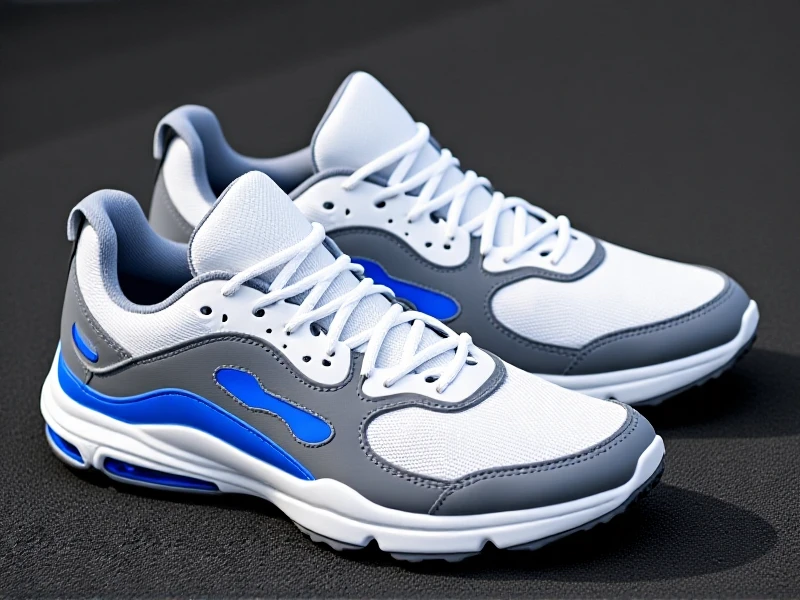
The right sports shoes transform how your feet meet the ground, impacting everything from speed to injury prevention. Understanding the technology and selection criteria behind high-performance athletic footwear helps athletes maximize their potential.
Sports shoes aren't defined by a single mold. Their design hinges on specific movement patterns:
- Running Shoes: Prioritize cushioned midsoles (EVA foam, air, gel) for shock absorption over miles and heel-to-toe transitions.
- Court Shoes (Basketball, Tennis): Feature responsive midsoles, reinforced ankle collars, and durable, grippy rubber outsoles for abrupt lateral cuts.
- Trail Running Shoes: Include deeper, aggressive treads for muddy terrain, protective toe caps, and often waterproof uppers.
- Training/CrossFit Shoes: Boast stability-focused designs with firmer midsoles for lifting and flexible forefoot zones for agility work.
Key Technologies Elevating Modern Sports Shoes: The athletic footwear landscape surges forward thanks to innovations in:
- Materials: Advanced knit uppers (like Nike Flyknit or Adidas Primeknit) offer lightweight breathability and a supportive, adaptive fit. Engineered mesh promotes ventilation.
- Midsole Cushioning: Beyond traditional foam, energy-returning technologies (Adidas Boost, Nike React, Puma Nitro) propel you forward efficiently while cushioning impact.
- Support Systems: Arch support, medial posts, and torsion control systems prevent excessive pronation and enhance stability during dynamic movements.
- Outsole Design: Strategic high-abrasion rubber placement balances durability and traction without unnecessary weight.
Choosing Your Ideal Pair:
Forget just looks; fit and function are crucial. Consider:
- Activity: Match the shoe's design to your primary sport or training style.
- Foot Type & Gait: Understand if you have high arches, flat feet, or a tendency to over/under pronate. Many specialty stores offer gait analysis. Proper arch support is vital for injury prevention.
- Fit: Your feet swell during activity. Ensure about a thumb's width (roughly 0.5 inches) of space between your longest toe and the shoe's end. Heels should sit snugly without slipping. Try shoes on with performance socks.
- Replacement: Even the best sports shoes wear out. Replace running shoes every 300-500 miles; replace court and training shoes when treads wear down or cushioning feels flattened or uneven.
Investing time in selecting the right sports shoes translates to optimized performance. Understanding these technologies and selection principles empowers athletes to support their feet correctly, unlock greater potential, and enjoy their sport longer. Find the technology that empowers your movement today.