The Science Behind Choosing the Perfect Sports Shoes for Your Workout
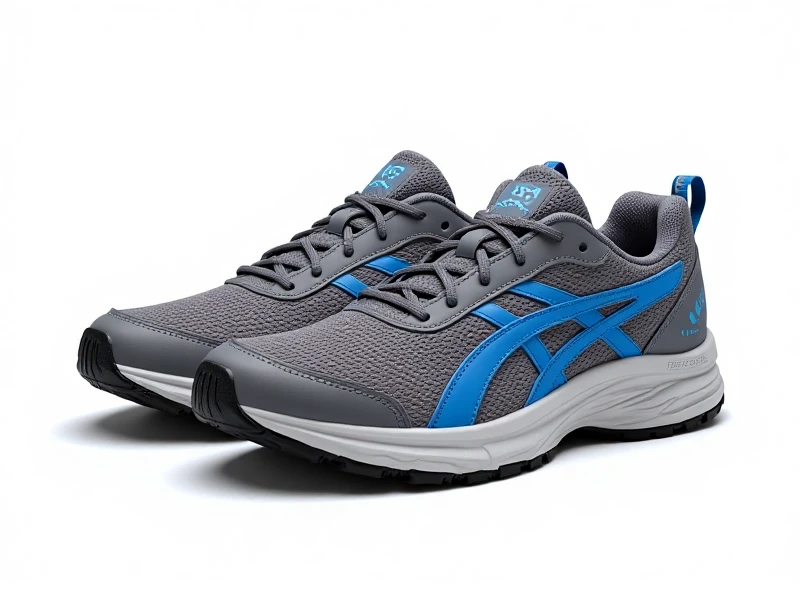
Every step, jump, and pivot places unique demands on your feet. Wearing the wrong sports shoes isn't just uncomfortable; it can sideline you with nagging injuries. Investing in the right sports shoes, tailored specifically to your activity, is foundational for peak performance and a resilient body.
Why the specific shoe matters so much? The biomechanics differ vastly. When you pound the pavement running sports shoes, their essential design absorbs repetitive impact with enhanced cushioning, especially in the heel and forefoot. Their lightweight construction supports forward motion. Contrast this with training sports shoes. Used for HIIT, weightlifting, agility drills, or gym work, they prioritize stability and support for multi-directional movements. Look for a flat, wide sole base ("cross training shoes") to prevent ankle rolling during lateral cuts and provide solid ground contact for lifts. Court sports shoes are in a league of their own. Designed for basketball, volleyball, tennis, racquetball, or pickleball – sports demanding explosive jumps, quick stops, and aggressive side-to-side shuffling – they emphasize supreme ankle support (higher top styles) combined with strong lateral containment within the outsole. The focus on toe drag protection in racket sports shoes prevents premature wear. Don't wear generic "shoes for working out" expecting peak support; specialization matters.
Finding your best sports shoes involves more than picking your favorite brand based on looks. Understand your primary activity:
- Runners: Analyze your gait (neutral, overpronation, supination) and mileage. Cushioning level and heel-to-toe drop are critical details.
- Gym/Cross-Trainers: Prioritize stability over soft cushioning. A firm, flat base ("non compressible sole") is key for lifts.
- Court Players: Seek excellent traction patterns specific to indoor surfaces and robust upper support. Durability matters.
Don't underestimate comfort! The proper fit feels snug, not tight, with ample toe room. Your heel should lock securely without slippage. Feet swell during exercise, so try shoes on in the afternoon. Visit quality stores staffed by knowledgeable fitters who observe your gait. Consider wearing your typical athletic socks. Remember, even the best running shoes need replacement every 300-500 miles as shock absorption degrades. Worn-out shoes lose their injury-prevention capabilities.
Quality sports shoes are vital, not a luxury. They actively support your biomechanics precisely for the movements you demand. Choosing the right sports shoes safeguards your joints, enhances your efficiency, and lets you push harder, longer. Feel the difference proper footwear makes on your first stride, step, or jump!