Your Ultimate Guide to Choosing Sports Shoes
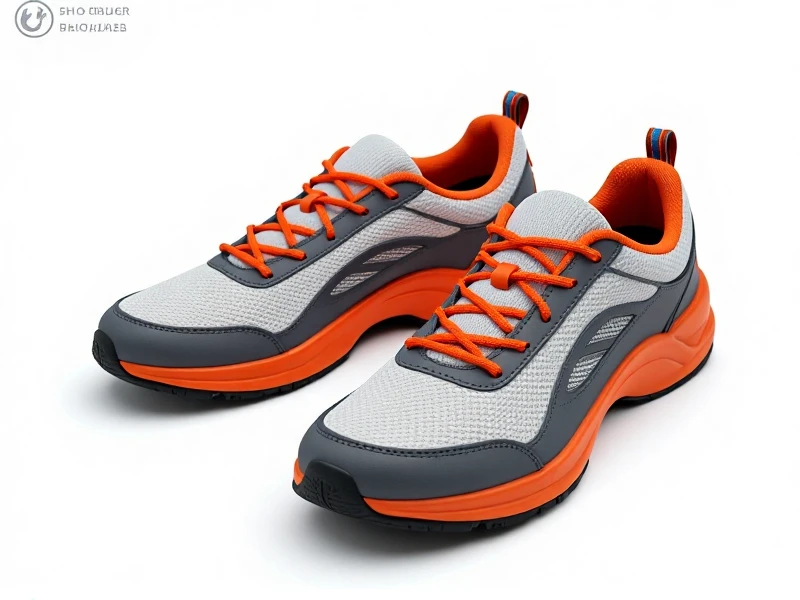
Certainly! Here's an SEO-optimized article focused strictly on the topic as requested:
Finding the perfect pair of sports shoes is crucial for performance, comfort, and injury prevention. With countless options available, understanding key features helps navigate the choice effectively. Whether hitting the track, basketball court, gym, or trail, proper footwear tailored to the activity makes a significant difference.
Why Proper Sports Shoes Matter Sports shoes are engineered for specific demands. Running shoes prioritize lightweight cushioning and forward motion, while basketball models emphasize ankle support and lateral stability for quick cuts. Cross-trainers offer versatile support for multi-directional gym movements. Wearing inappropriate footwear increases injury risk and hinders performance.
Key Selection Factors
- Activity Type: Match shoes directly to your primary sport or exercise.
- Foot Type & Gait: Understanding pronation (how the foot rolls inward) is vital. Options include neutral, stability, or motion control features. Seek professional gait analysis if needed.
- Fit: Ensure a snug, comfortable heel hold with ample toe room. Try shoes on with activity-specific socks, preferably later in the day when feet swell slightly.
- Cushioning & Support: Balance impact absorption (critical for runners) with adequate stability. More isn't always better; excessive cushioning can reduce stability.
- Material & Breathability: Look for engineered mesh or knit uppers for ventilation, keeping feet cool during intense workouts.
- Traction & Outsole: The pattern and rubber compound should suit the surface (e.g., deep lugs for trails, smoother patterns for courts).
Popular Sports Shoe Categories
- Running Shoes: Include road running (flexible, cushioned) and trail running (protective, grippy) options.
- Basketball Shoes: Focus on high-top or mid-top designs for ankle support and durable outsoles for court surfaces.
- Training/Cross-Training Shoes: Offer stability for lateral movements, lifting, and varied gym workouts.
- Walking Shoes: Emphasize comfort and heel-to-toe transition support. Often lightweight.
- Tennis/Squash Shoes: Designed for quick lateral stops and starts with durable, non-marking soles.
- Soccer Cleats/FG SG: Feature stud configurations for natural grass or firm ground.
Maintenance & Lifespan Sports shoes experience material breakdown. Replace running shoes approximately every 300-500 miles. Signs of wear like compressed midsoles or visible tread loss indicate it's time. Rotate between pairs to extend life. Clean uppers gently with a damp cloth and mild soap; avoid full immersion unless specified as washable. Air dry thoroughly away from direct heat.
Investing time in choosing the right sports shoes enhances your athletic experience, boosts performance, and protects long-term joint health. Prioritize fit and function specific to your sport over aesthetics alone. Lace up the perfect pair and step confidently into your next challenge.