Unlock Peak Performance: Your Ultimate Guide to Sports Shoes
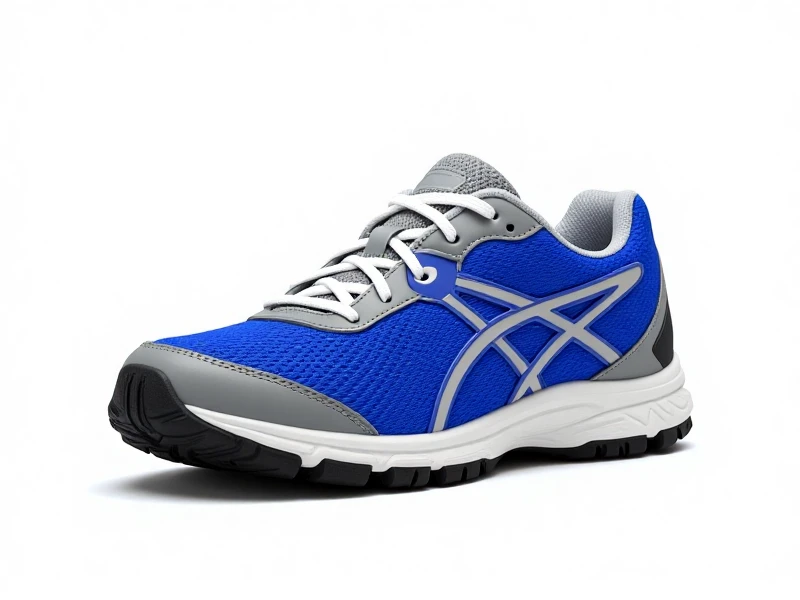
Finding the perfect pair of sports shoes is essential for anyone serious about their fitness journey. Choosing the right footwear impacts comfort, performance, and injury prevention dramatically. But with an overwhelming range of brands, technologies, and designs crowding shelves and online stores, selecting the best sports shoes for your specific needs can feel daunting.
The crucial first step is identifying your primary activity. Sports shoes are engineered for distinct movements. Running shoes prioritize forward motion with lightweight cushioning and midsole impact absorption technologies. Basketball demands lateral cuts and jumps, so court shoes feature ankle support and grippy outsoles designed for indoor traction. Cross-training shoes balance flexibility for weightlifting with necessary cushioning for box jumps or sprints. Opting for sport-specific sports shoes ensures your feet get the precise support and responsiveness required.
Look closely at key features that define top-tier sports shoes:
- Midsole Cushioning: Technology like EVA foam, Nike React, Adidas Boost, or Brooks DNA Loft absorbs shock during impact, protecting joints.
- Arch Support: Know your arch type (flat, neutral, high) to match shoes offering proper support systems to prevent issues like plantar fasciitis.
- Upper Construction: Breathable mesh ensures ventilation, while synthetic overlays or knitted uits provide adaptive lockdown and support. Fit should be snug but comfortable.
- Outsole Traction: Rubber patterns vary wildly – deep lugs for trail running, minimalist patterns for track, herringbone grips for court sports ensure stability and push-off power.
- Drop: The height difference between heel and toe. Higher drop (8-12mm) aids heel strikers, lower drop (0-6mm) suits midfoot/forefoot runners or minimalist feel seekers.
Never underestimate fit. Visit a specialized retailer to have your feet measured and gait analyzed when possible. Sizes differ across brands, and trying shoes on later in the day accounts for natural foot swelling. Experts recommend leaving about a thumb's width between your longest toe and the shoe's end. You shouldn't feel numbness or rubbing.
Quality sports shoes are an investment, not just in gear, but in your performance and wellbeing. Replace them every 300-500 miles or when you notice excessive midsole compression or worn treads. Listen to your body – persistent shin splints or knee pain might indicate worn-out footwear.
Whether you’re logging miles, crushing weights, mastering the court, or breaking ground on the trails, the right sports shoes are your foundation. Understand your sport, prioritize vital features, secure the correct fit, and recognize when it’s time for a new pair. Step up your game with confidence and comfort. Bookmark this guide as your starting point.